Quick Summary Box
If you want to start a small software business this year, here is a quick overview of what works best for solo founders.
| Feature | Niche Vertical SaaS | AI Workflow Add-ons | Automated Admin Tools |
|---|---|---|---|
| Best For | Specific trades (Lawyers, Plumbers) | Busy creators & marketing teams | Freelancers and small agencies |
| Monetization | Monthly subscription ($49–$199) | Usage-based or flat monthly fee | Flat monthly fee ($15–$49) |
| Difficulty Level | Medium (Requires deep workflow knowledge) | Easy (Can be built with API wrappers) | Low to Medium (Focuses on simple databases) |
| Key Benefit | Low competition and very high customer loyalty | Super fast to build and launch | Solves clear financial pain points |
Table of Contents
The Problem with Big Software
Imagine you open a bakery. You need a simple way to take orders online and track how many boxes you have left in the kitchen. You look up software online, and you are immediately flooded with massive, complicated enterprise tools.
These platforms have five hundred different buttons, cost hundreds of dollars a month, and take three weeks of training just to understand. You do not need a digital control room built for a global supermarket chain. You just want a simple tool that tracks your cake boxes.
This is exactly why the “bigger is better” era of software is fading away. People are suffering from app fatigue. They are tired of paying for bloated platforms where they only use 5% of the features.
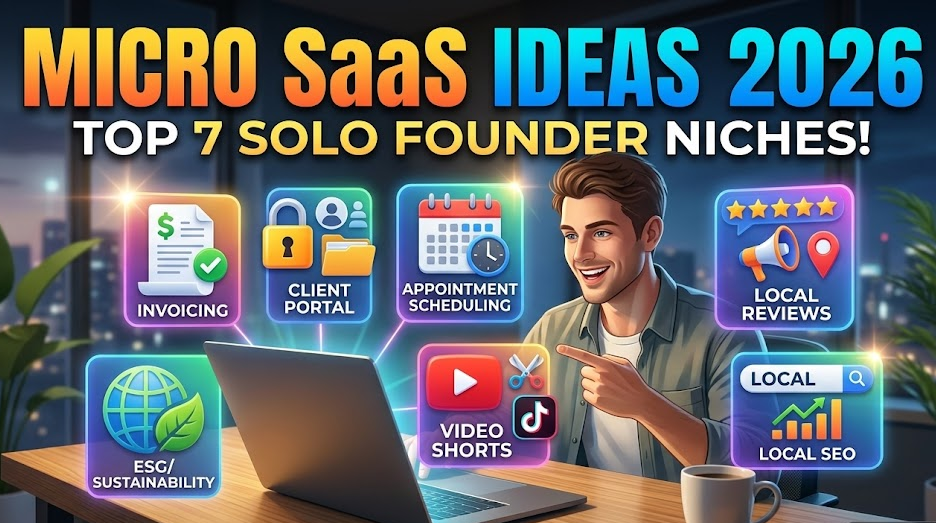
Instead, users actively prefer single-purpose tools that solve one specific problem perfectly. For anyone looking to start a business, targeting these exact gaps with Micro SaaS ideas 2026 is the single fastest path to building reliable recurring revenue without needing a massive engineering team.
What Is Micro SaaS?
A Micro SaaS is a software-as-a-service business operated by a single person or an incredibly small team (usually one to three people). It targets a very specific niche audience, solves a single narrow problem, and keeps its operational costs extremely low.
Why People Choose Micro SaaS Tools
- Pure Simplicity: There are no confusing setups or long manuals. A user can sign up and understand the entire app in under two minutes.
- Fair Pricing: Instead of locking features behind multi-thousand-dollar enterprise sales calls, micro tools offer transparent monthly pricing.
- Hyper-Focused Support: When a user emails support, they talk directly to the person who built the software, leading to faster fixes and genuine customer care.
Key Elements of a Profitable Idea
If you want your software to succeed, it needs to follow three simple rules:
- High Pain Intensity: It must solve a problem that actively loses the user time or money every single week.
- Clear Target Buyer: You must know exactly where your users hang out online (like a specific subreddit or a local business group).
- Low Maintenance: The app should run smoothly on automated cloud servers so you do not spend your weekends fixing broken backend code.
How It Works (The Lean Launch Strategy)
Building software used to require months of writing complex code line by line. Today, the process looks more like assembling building blocks.
You can use modern backend tools to handle user accounts, connection services to link different data sources, and payment networks to manage monthly customer subscriptions. Your primary job as a founder is to build the thin, user-friendly interface that connects these backend systems directly to a specific user’s daily problem.
[Insert Dashboard Screenshot Here]
The 7 Best Micro SaaS Ideas for 2026
Let us dive into the most profitable, low-competition niches where individual founders are successfully launching products this year.
1. Automated Invoice Reminders & Collections
Freelancers, small agencies, and independent contractors lose a massive chunk of their income simply because clients forget to pay invoices on time. Sending manual emails asking for money is awkward, tedious, and often slips through the cracks.
A Realistic Scenario
A freelance graphic designer completes a project and sends an invoice. Thirty days pass, and the bill remains unpaid. Instead of the designer having to write an uncomfortable “Hey, just checking in” email, a Micro SaaS automatically syncs with their invoicing tool. It sends polite, escalating reminders at custom intervals with a direct payment link attached, reducing average collection times drastically.
Why It Works
It has a highly measurable ROI (Return on Investment). If your software costs $29 a month but successfully recovers a $1,500 unpaid project balance for a freelancer, the subscription pays for itself instantly.
2. Niche Client Portals for Independent Professionals
General project management tools are far too messy and confusing for traditional service professionals like family lawyers, independent accountants, or real estate agents. They do not need complex agile tracking boards; they just need a clean, secure space to share sensitive documents with clients.
An Observation
Clients often feel overwhelmed when forced to join heavy project management apps just to download a single PDF contract. A hyper-focused client portal gives the professional a white-labeled, secure link where clients can upload tax forms or court documents without creating a complex account.
Limitations
Security is non-negotiable here. Because you are dealing with sensitive professional files, you cannot afford basic database mistakes. You must ensure high-grade data encryption from day one, which can increase your initial development focus on security compliance.
3. Niche Appointment Schedulers with Intake Forms
Generic calendar apps work fine for standard phone calls, but they fall completely flat when it comes to hands-on, specific professions.
A Practical Example
A pet groomer needs to know the exact breed and age of a dog before it arrives to block out enough time on the calendar. A music teacher needs a system that handles recurring weekly lessons and automatically charges a non-refundable deposit to prevent late cancellations. Building a booking tool designed only for pet groomers or only for music schools allows you to charge a premium price because you serve their exact operational workflow.
[Insert Feature Screenshot Here]
4. B2B Webinar and Video Shorts Repurposer
Marketing teams spend thousands of dollars hosting long-form educational webinars or podcasts. However, trying to manually chop those 60-minute videos into clean, vertical clips for TikTok, YouTube Shorts, and LinkedIn takes hours of manual video editing.
One Practical Use Case
A small software startup hosts a monthly product demo webinar. A micro tool can scan that video file, automatically detect the moments where the speaker presents a high-value tip based on audio shifts, clip that specific segment, add clean captions, and format it vertically for social media feeds.
Why It’s Great for Solopreneurs
You do not have to build your own video rendering engine from scratch. You can use affordable cloud video processing APIs to handle the heavy technical lifting behind the scenes while you focus entirely on making the web dashboard clean and dead-simple to use.
5. Local Business Review Aggregator and Auto-Responder
Main street businesses—like local auto repair shops, salons, and bakeries—live and die by their online reputation. However, checking Google, Yelp, Facebook, and niche industry platforms every single day to respond to customer reviews is highly inefficient.
A Common Benefit Users Report
Local business owners report that missing a negative review for three days can severely hurt their local search rankings. A simple Micro SaaS pulls all incoming reviews across every major directory into a single, clean dashboard. It alerts the owner instantly via text and allows them to reply directly from one central screen.
6. Small-Scale ESG and Sustainability Tracker
Medium-sized manufacturing units and local logistics firms are increasingly required by corporate clients and local laws to report basic environmental and sustainability metrics. Enterprise-grade compliance tools cost tens of thousands of dollars, making them completely inaccessible for mid-market players.
A Realistic Scenario
A regional delivery company needs to show its primary corporate client a basic report on its vehicle carbon footprint to keep its annual contract. A simplified micro tool allows the office manager to type in monthly fuel bills and utility statements, instantly converting those numbers into a clean, compliant PDF report ready for corporate submission.
Limitations
Environmental laws change frequently depending on the region. As the founder, you have to ensure your background calculation math stays updated with local rules, meaning this idea requires regular regulatory monitoring compared to simpler utility apps.
7. Fixed-Scope Local SEO Audit Emailer
Many local business owners know they need search engine optimization, but they have absolutely no idea how to interpret heavy data dashboards or multi-page technical audit spreadsheets.
One Practical Use Case
A micro tool automatically crawls a local business’s website once a week, checks three basic factors (mobile loading speed, missing Google Business listings, and basic broken links), and sends a single-page email report. Instead of complex graphs, it gives them a simple letter grade (like a “B-“) and three clear, text-based action items they can hand to their web developer.
[Insert Pricing Screenshot Here]
Step-by-Step Guide: How to Validate Your Micro SaaS Idea
Do not spend three months building an app until you have verified that real people are willing to open their wallets and pay for it. Follow this lean 30-day verification plan.
[Month 1 Validation Journey]
  ├── Week 1-2: Build Landing Page & Collect Emails
  ├── Week 2-3: Conduct 10-20 Problem Interviews
  └── Week 3-4: Offer Early Beta Discount (Measure Financial Commit)
Step 1: Create a Clean Explainer Landing Page
Before writing code, build a simple webpage that clearly describes exactly what your software will do. Add a prominent signup box that reads: “We are launching our early access group next month. Enter your email to secure a spot.”
Step 2: Talk to 10-20 Real Target Customers
Find people who match your target audience on LinkedIn, Facebook Groups, or local trade meetups. Do not ask them if they “like” your idea. Instead, ask them: “How do you currently handle this specific problem, and how much time or money did it cost you last week?”
Step 3: Test Financial Commitment Early
Once you have 20 or 30 qualified signups, send them a private email offering a 50% lifetime discount if they pre-order the beta version today. If people are willing to give you their credit card details before the app is fully finished, you have 100% confirmation that your product solves a real, painful problem.
Pros and Cons of the Micro SaaS Model
Before jumping in, it is vital to look at both sides of the coin to understand exactly what running a solo software company involves.
The Strengths
- Exceptional Profit Margins: Because you do not have office leases, large engineering salaries, or heavy marketing departments, you can easily maintain profit margins north of 70% to 80%.
- Ultimate Personal Freedom: You retain 100% ownership of your company. You do not have venture capital investors screaming at you to grow faster or forcing you to change your product direction.
- High Customer Retention: Because niche tools embed themselves deeply into a small business’s specific daily workflow, users rarely cancel their subscriptions.
The Weaknesses
- The “Solo Founder” Ceiling: You are responsible for everything. If customer support emails pile up, you have to answer them. If a server goes offline, you have to fix it.
- Lower Revenue Ceilings: A micro tool will likely never become a multi-billion dollar company. It is designed to generate a highly comfortable, stable income stream, not dominate the global enterprise world.
Comparison Table: Choosing Your Focus
| Micro SaaS Category | Development Time | Customer Acquisition Cost | Churn Rate (Cancellation Risk) |
|---|---|---|---|
| B2B Admin & Finance Tools | 4 to 6 Weeks | Medium | Very Low (Highly Essential) |
| Niche Professional Vertical SaaS | 6 to 8 Weeks | Low (Highly Targeted) | Low (No Alternatives) |
| Marketing & Repurposing Apps | 2 to 4 Weeks | High | Medium to High (Trend Dependent) |
Common Mistakes New Founders Make
- Building Too Many Features Initially: Your initial launch should do exactly one thing exceptionally well. If you are building an automated invoice reminder app, do not spend three weeks trying to build a custom graphic invoice designer into it. Keep the scope tight.
- Hiding Prices Behind a “Demo Call” Button: Small business owners and freelancers despise hopping on a 30-minute sales call just to find out software costs $30 a month. Put your prices clearly on your homepage.
- Falling in Love with Code Over Marketing: Building the app is only 30% of the battle. The remaining 70% is consistently reaching out to your target users, showing up on niche forums, and actively helping people solve their operational problems manually until they trust your brand.
Frequently Asked Questions
1. Do I need a formal computer science degree to build a Micro SaaS?
No. Many modern micro founders come from completely non-technical backgrounds. By utilizing visual website builders, modular database services, and clear API documentation, you can easily launch a software product without a deep programming background.
2. How much does it cost to keep a Micro SaaS running every month?
The baseline infrastructure costs are incredibly low. Cloud databases, automated server hosting, and basic user management platforms often have generous free tiers or cost under $20–$50 a month combined for your first few hundred users.
3. What is a realistic monthly revenue target for a solo tool?
Most established micro products run by single individuals pull in anywhere from $2,000 to $20,000+ in Monthly Recurring Revenue (MRR). It depends entirely on how painful the problem is and how many businesses you reach.
4. Can someone easily copy my Micro SaaS idea?
Yes, anyone can copy features, but they cannot easily copy your relationship with your target niche. If you deeply understand the daily frustrations of a local plumber or real estate agent better than a generic software engineer, your user experience and community trust become your ultimate competitive edge.
5. Should I charge a flat monthly fee or use usage-based billing?
If your software relies heavily on external cloud APIs that cost you money per action (like automated video processing), use usage-based tiering. For simple database tools (like client portals), a flat monthly tier works best.
6. How do I handle payment processing securely?
Never build your own credit card handling system. Always integrate established third-party payment infrastructure platforms like Stripe or Paddle. They handle global taxes, card security compliance, and monthly subscription logic automatically.
7. What is “Vertical SaaS” and why is it growing so fast?
Vertical SaaS refers to software built specifically for one single industry (like software built exclusively for dental clinics). It is booming because businesses prefer tools that natively understand their specific trade terminology and daily compliance requirements.
8. How do I protect my application against data breaches?
Utilize robust, established backend providers to manage user authentication and data storage. Avoid writing custom login scripts manually; instead, rely on verified platforms that have security protocols built into their core infrastructure.
9. Can I run a Micro SaaS while working a full-time job?
Absolutely. Because the scope of a micro product is incredibly tight, many founders build and validate their MVPs on weekends or during evenings until the monthly recurring revenue matches their regular salary.
10. When should I officially give up on an idea?
If you have spoken to 20 target business owners, presented a clear landing page solution, and absolutely no one is willing to sign up or commit to a discounted pre-order, it is a clear sign to pivot to a different problem.
Final Thoughts: Finding Your Perfect Entry Point
Launching a software product does not require millions in venture funding or a 50-person development floor anymore. It simply requires a clear eye for daily inefficiencies.
- Who should build a Micro SaaS: Solopreneurs, domain experts who understand specific trade workflows inside-out, and bootstrapped creators looking for high-margin, sustainable digital products.
- Who should not look at this model: Anyone hunting for overnight viral fame, massive multi-million dollar corporate setups from day one, or founders who dislike handling customer interactions directly.
Look at your own weekly routine or chat with a business owner down the street. Find that one manual task that makes them sigh in frustration, build a basic solution to automate it, and you have officially started your software journey.
SEO & Publisher Notes
Internal Linking Opportunities
- Link 1: Connect to our deep-dive guide on “How to Build a Web App Without Code” for non-technical founders looking to build their first MVP.
- Link 2: Cross-link with our comprehensive review on “Essential Developer Tools for Bootstrapped Startups” to help optimize cloud hosting budgets.
- Link 3: Reference our tutorial on “Setting Up Stripe Billing for SaaS Applications” to guide readers through the subscription implementation process.
- Link 4: Connect to an article regarding “How to Write High-Converting B2B Cold Outbound Emails” to assist founders with initial user acquisition.
- Link 5: Link to a core platform piece covering “Top Tech Business Models to Explore This Year” to show how Micro SaaS compares to traditional e-commerce or agency models.
Authoritative External References
- Learn more about software scalability trends via the Gartner Low-Code and Modular Systems Analysis Report.
- Study bootstrapped business financials and real-world creator metrics on the Stripe Atlas Founder Resources Hub.
- Check out growth frameworks and small team case studies through the Harvard Business Review Small Business Innovation Center.